1. Safety first
The crew checks for hazards such as tight access, weak flooring and electrical wires before entering the area.
Sibley, LA · Webster Parish
Is there a dead animal in a Sibley wall, attic or crawl space? Call (877) 812-4220. Cleanup technicians locate the carcass, bag it for disposal, remove soaked materials and sanitize the space.
If anyone is in danger, call 911 first. For a suicide crisis, call or text 988.
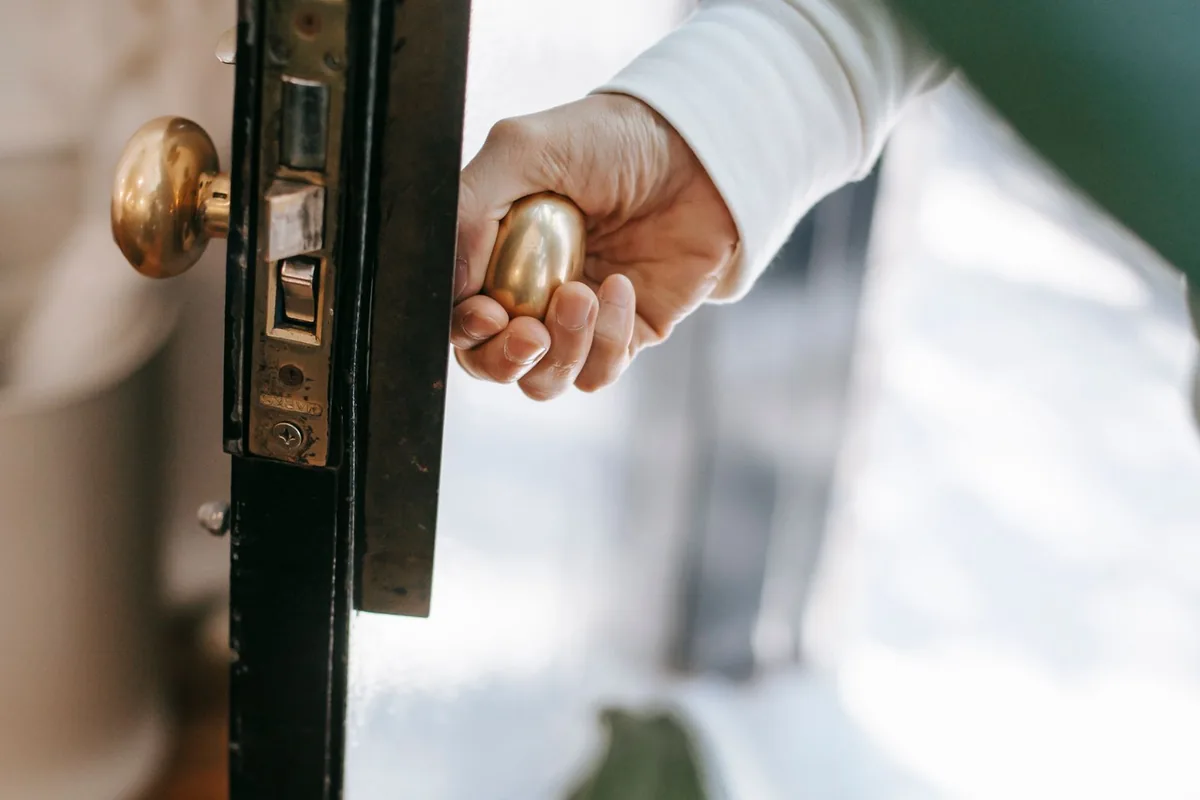
Carcass removal is the safe handling and disposal of a dead animal, whether it is a mouse in a wall, a raccoon in an attic or a larger animal on a property. Crews wear gloves and respirators because fluids can carry germs.
People in Sibley and across Webster Parish call Sibley Biohazard Cleanup Help when an animal has died somewhere hard or unpleasant to reach. You get a cleanup team that explains each step and sorts what can be kept from what has to be discarded.
With roughly 58 inches of annual rainfall in Sibley, damp crawl spaces and wall voids make dead animal fluids and odor linger longer. Many homes in Webster Parish, about 63%, were built before 1980. Older insulation and wood framing soak up fluids and hold odor for a long time.
A typical dead animal removal & cleanup job includes:
The crew checks for hazards such as tight access, weak flooring and electrical wires before entering the area.
The work zone is sealed off, and the animal is removed with care for the family, especially when it is a pet.
Stains and fluids are cleaned, hard surfaces are scrubbed and disinfected, and soaked porous materials are discarded.
Odor and air are checked, and the owner is shown the work and told what, if anything, needs follow-up.
Expect dead animal removal & cleanup in Sibley, LA to cost roughly $150 to $250, with the final price set after an on-site assessment.
Odor treatment needs vary. A closed room is simpler to treat than a house where the smell has spread through ducts and vents.
| Type of job | Typical range |
|---|---|
| Dead animal removal | $150 - $250 |
| Dead animal removal | $150 - $250 |
Estimates only, not a quote. Sources: Bob Vila, HomeAdvisor. Price drivers include where the animal is, whether walls must be opened, size of the animal, odor and cleanup afterward. Call (877) 812-4220 to talk through the job.
The smell comes from the carcass and any fluids, so the animal has to be found and removed. Air fresheners only cover it. After removal, the area is cleaned and treated, which usually clears the smell.
Insulation soaks up fluids and odor and cannot be reliably cleaned. Leaving it in place means the smell can return. Replacement insulation is usually a separate job.
The smell can last a few days to a few weeks, depending on the size of the animal, the weather and where it died. It fades faster once the animal and soaked materials are removed and the area is treated.
It can be. Fluids can carry germs, and pests such as flies and fleas spread through the home. Do not touch it bare-handed, keep children and pets away and wash your hands well. People with asthma or sensitive lungs should stay out of the area.
As an animal decomposes, bacteria break down tissue and release gases with a strong, sickly-sweet smell. In an enclosed wall or attic, that odor has nowhere to go and spreads through the house. Removing the source is the only real fix.
Rules for removing and disposing of dead animals vary by city and county, and animal services handle public property in many places. Worker safety follows OSHA rules for contaminated materials. Ask your city or county what applies where you are.
Call (877) 812-4220 any hour and describe the smell and where it is strongest.
Call (877) 812-4220